The smart routing playbook
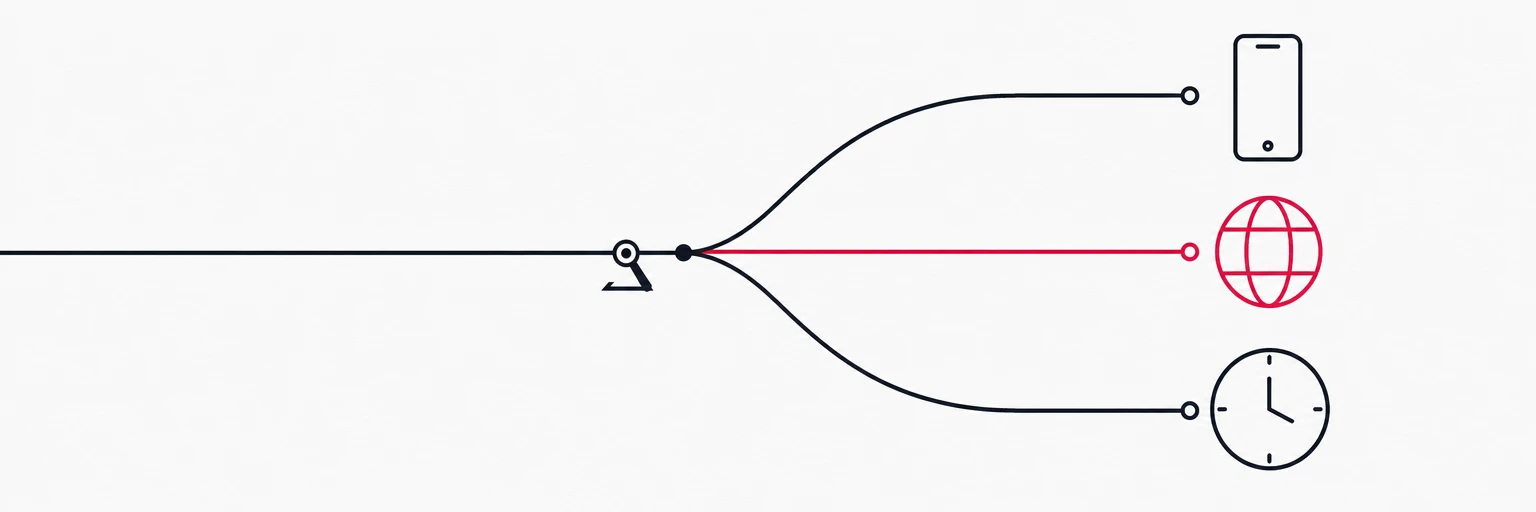
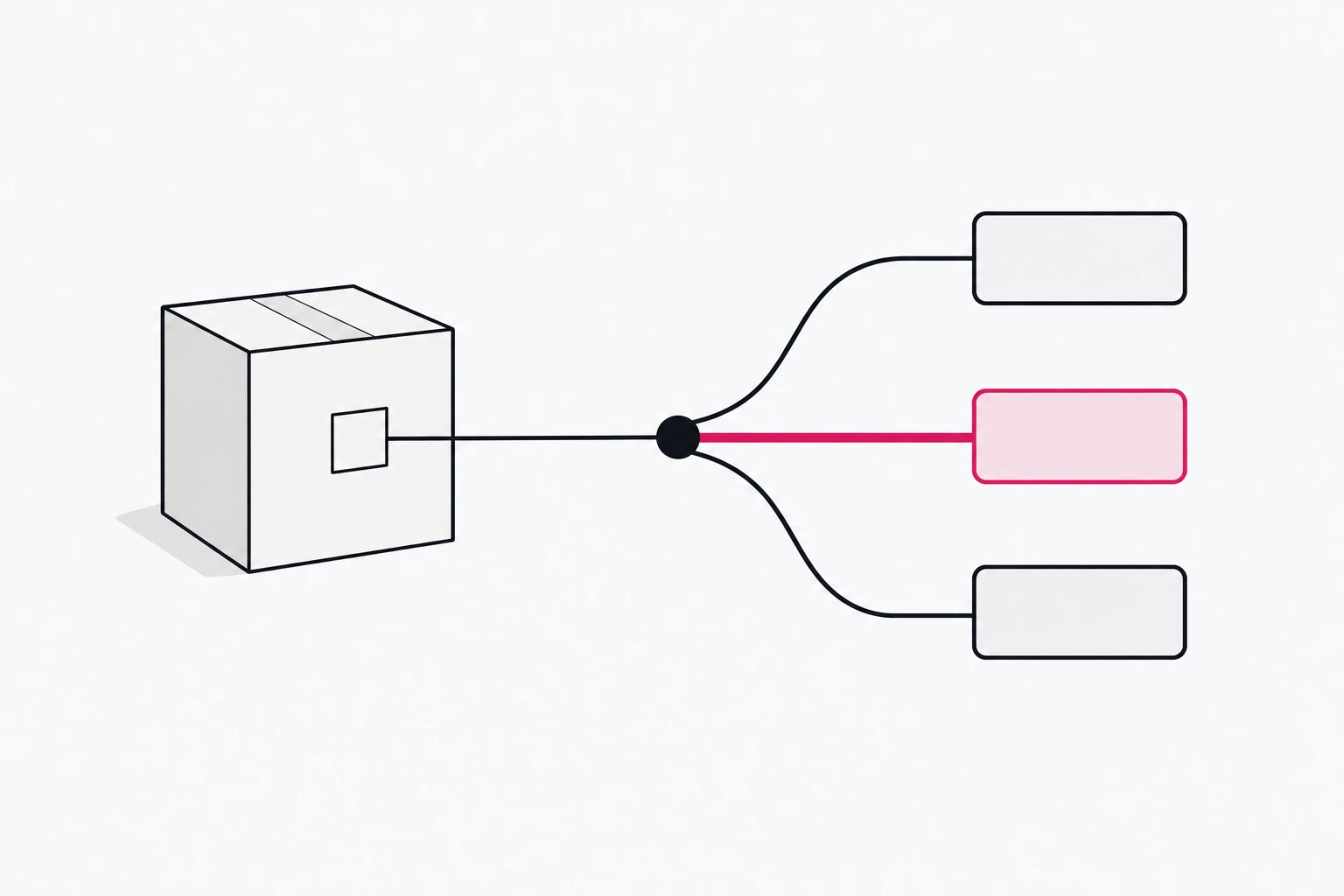
App store links that know the platform, offers that follow the weekly clock, docs that speak the visitor's language — routing rules turn one short link into a small decision engine.
Read storyIdeas between click and destination.
App store links that know the platform, offers that follow the weekly clock, docs that speak the visitor's language — routing rules turn one short link into a small decision engine.
Read storyAny script can claim to be GPTBot. The IETF's first Web Bot Auth draft lets agents like ChatGPT's and Google's prove who they are with HTTP Message Signatures, but signers and verifiers already disagree on the header format, and no signature survives a 302.
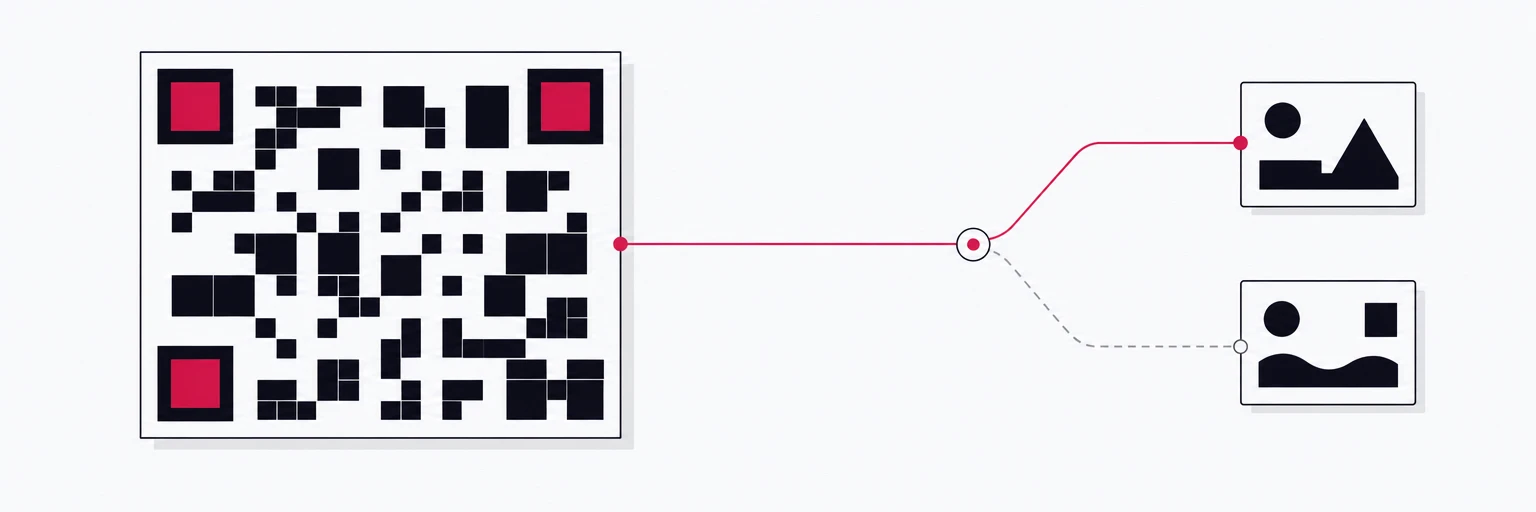
Quishing hit record levels in 2026, and consumer advice now says: read the address before you open a scanned code. Many brand codes show a generator's or shortener's domain instead of their own. Here is the print and governance playbook for codes that pass.
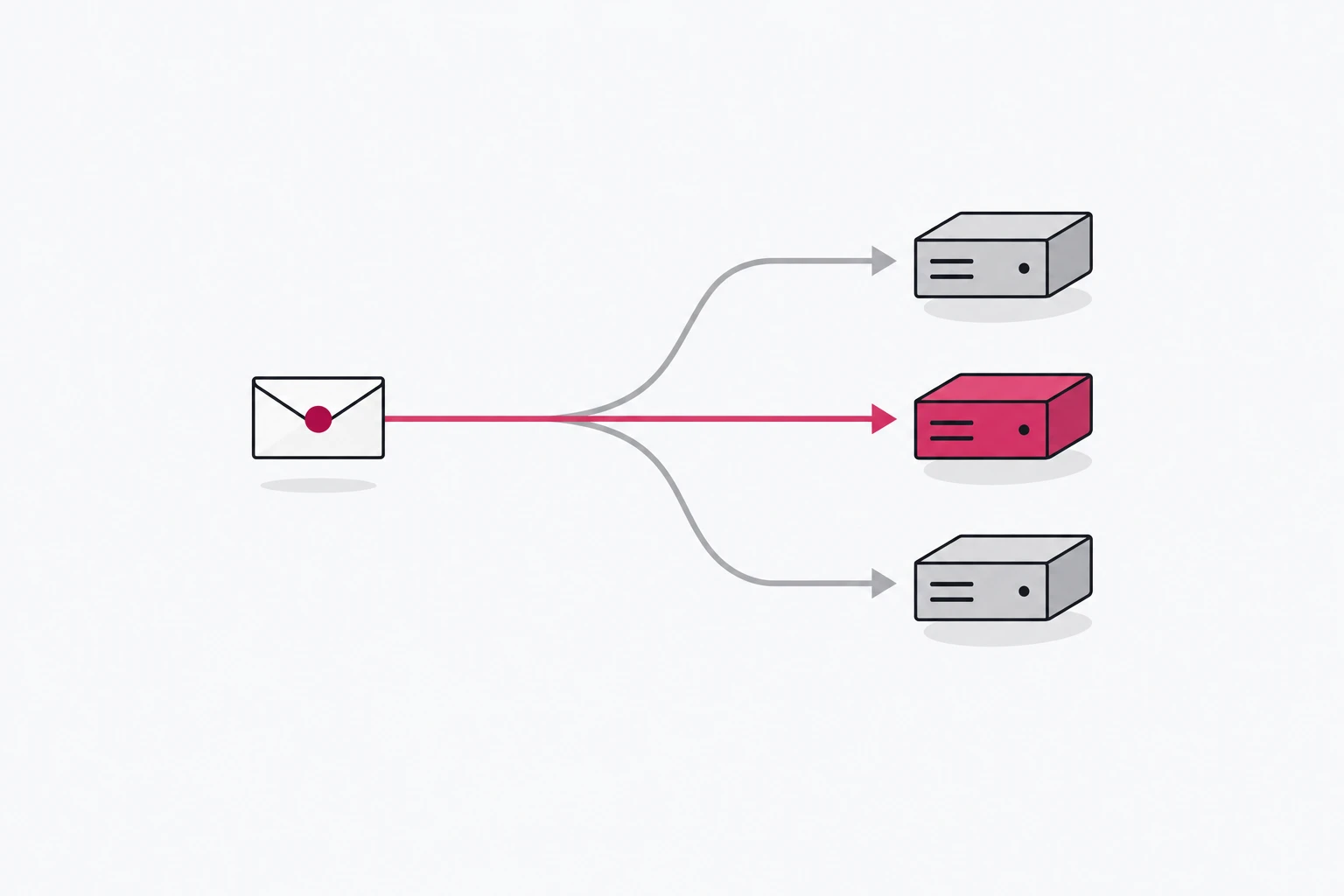
No sessions, no handshake, no resumable streams. The MCP 2026-07-28 changes that matter when agents create and delete links at scale, with request examples and a migration checklist for servers and clients.
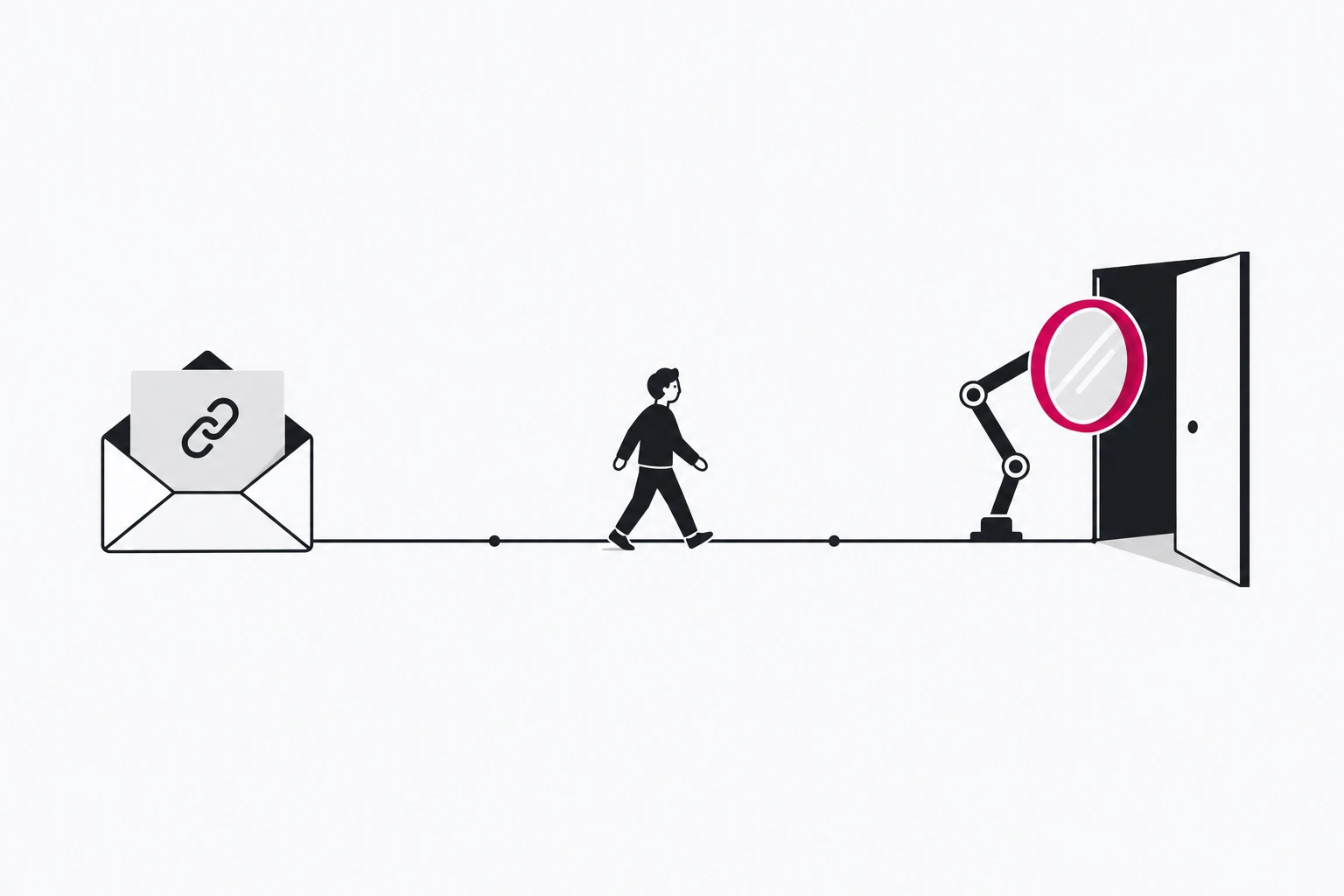
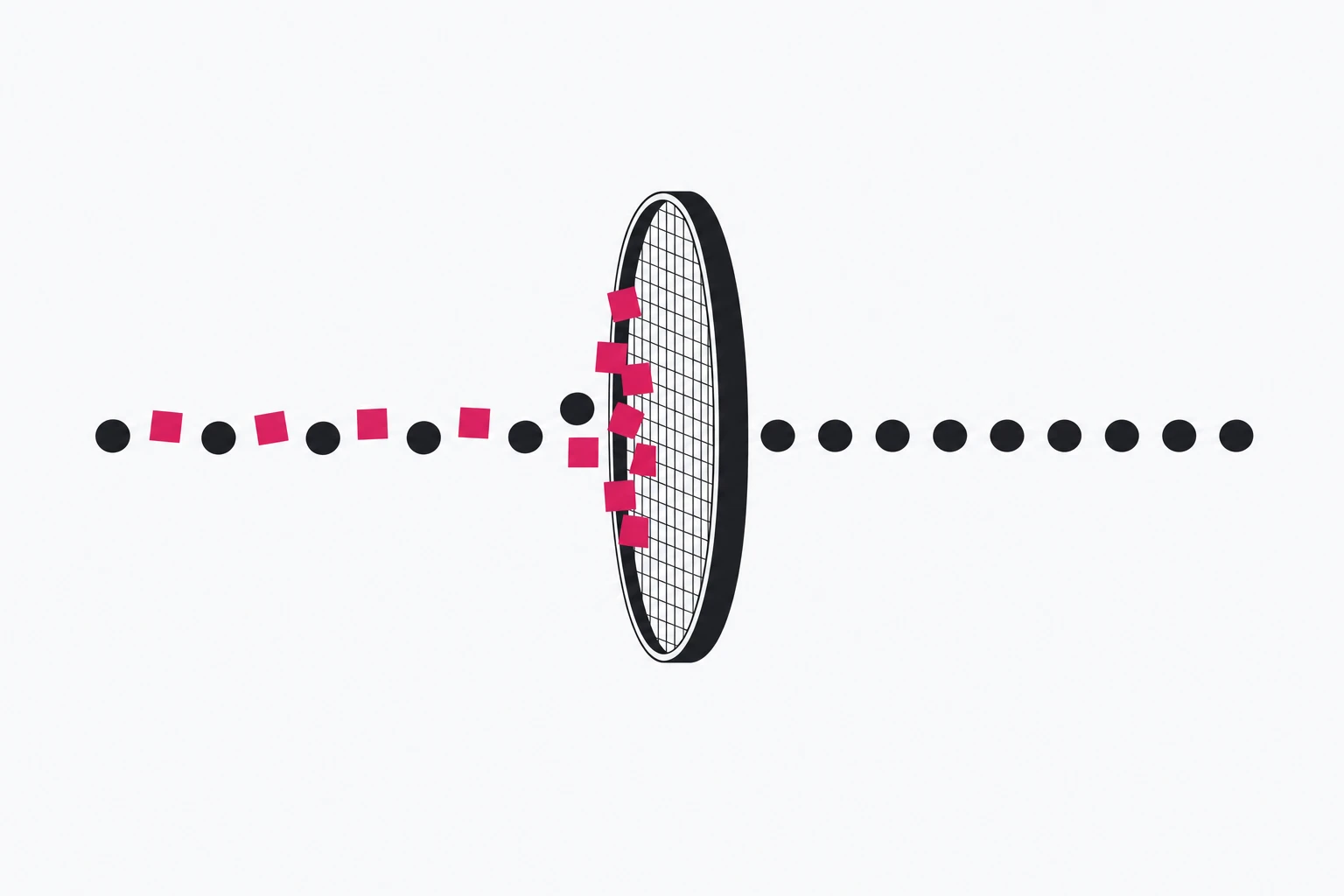
Microsoft Safe Links, Gmail and corporate gateways fetch email links before readers do. ESPs filter that out of their reports, but your short links, routing rules and A/B splits still see every request. A playbook for classifying them.
A GS1 Digital Link QR code is a URL on a domain, and the resolver behind it is a smart-link router with a published standard. We read release 1.2.1 as redirect engineers and map it to what you must decide before packaging artwork is signed off.
Safari 27 adds twclid, si and xmt to the click IDs it removes in Private Browsing, Mail and Messages. A practical guide to what survives, how short links fit in, and a test you can run on your own redirects.
A QR code is just a short link you cannot edit after printing — unless the destination is dynamic. How to design codes people actually scan, and keep control after the ink dries.
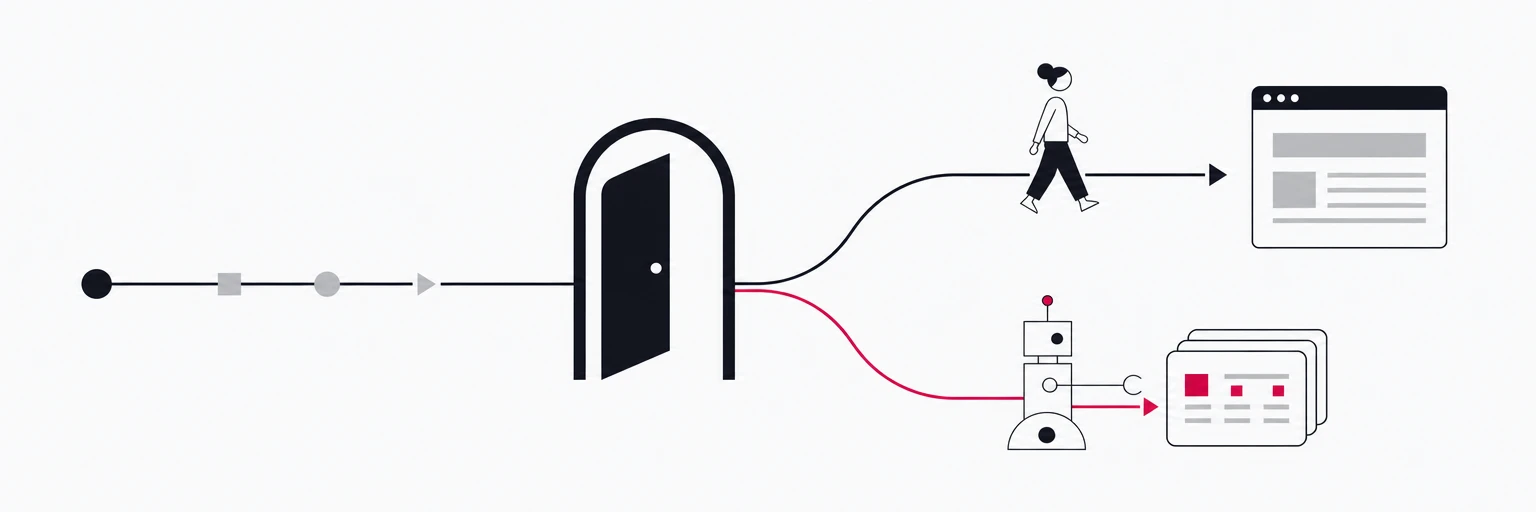
AI agents follow links too — but they want structured data, not HTML. One URL that redirects people and answers machines with clean JSON changes what a "link" can do.
Nothing ruins analytics faster than Facebook, facebook and FB living as three different sources. A small convention, kept in one place behind a short link, keeps reports clean.
Switching link providers feels risky: every printed QR code and every old post keeps pointing at the old domain. A staged migration makes it boring — in the best way.
Every redirect tells browsers and search engines a story. Pick the wrong status code and you cache stale destinations, confuse indexing, or break POST requests. Here is the mental model, with a rule of thumb for short links.